8 Farm Cottage Kitchens With Earthy Tones You’ll Want to Copy Asap
You know that kitchen you picture when you think “cozy Sunday stew, sunlit sink, and a pie cooling on the sill”? That’s a farm cottage kitchen bathed in earthy tones—calm, grounded, and low-key stunning. If you’re craving warmth without clutter, these ideas are your shortcut to that lived-in, I-just-baked-bread vibe (even if dinner is… takeout).
1. Warm Woods, Zero Fuss
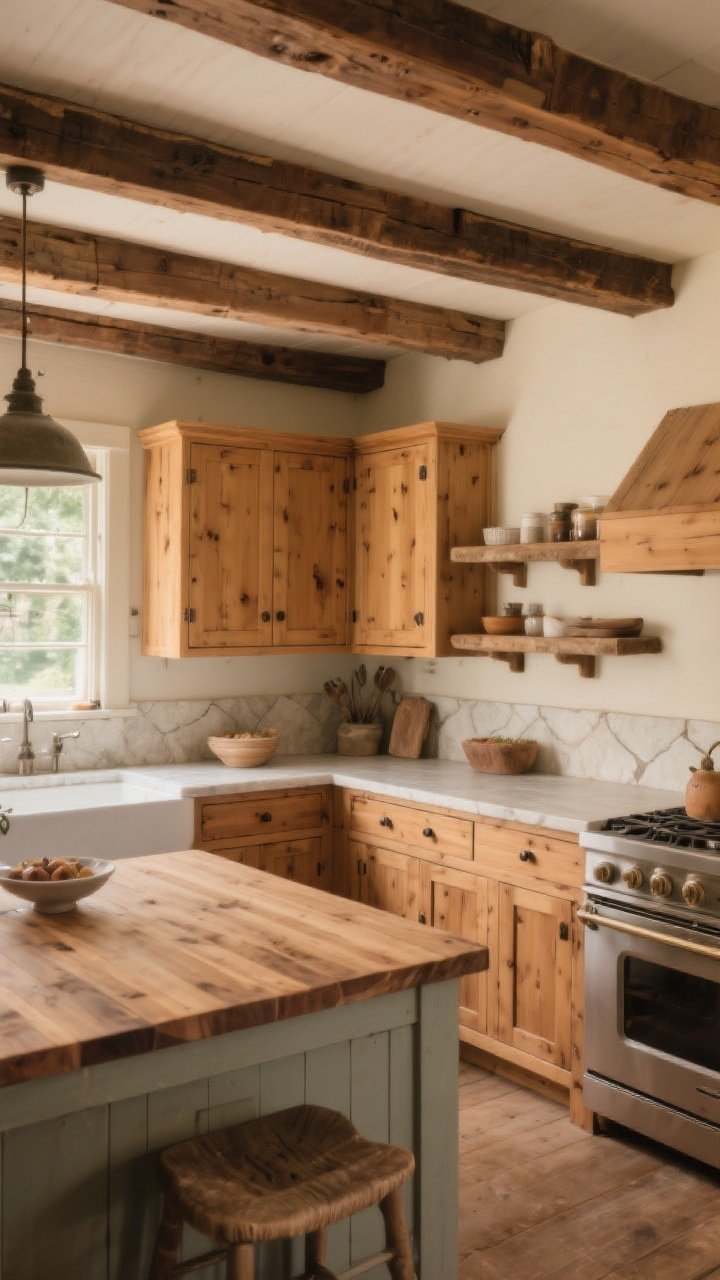
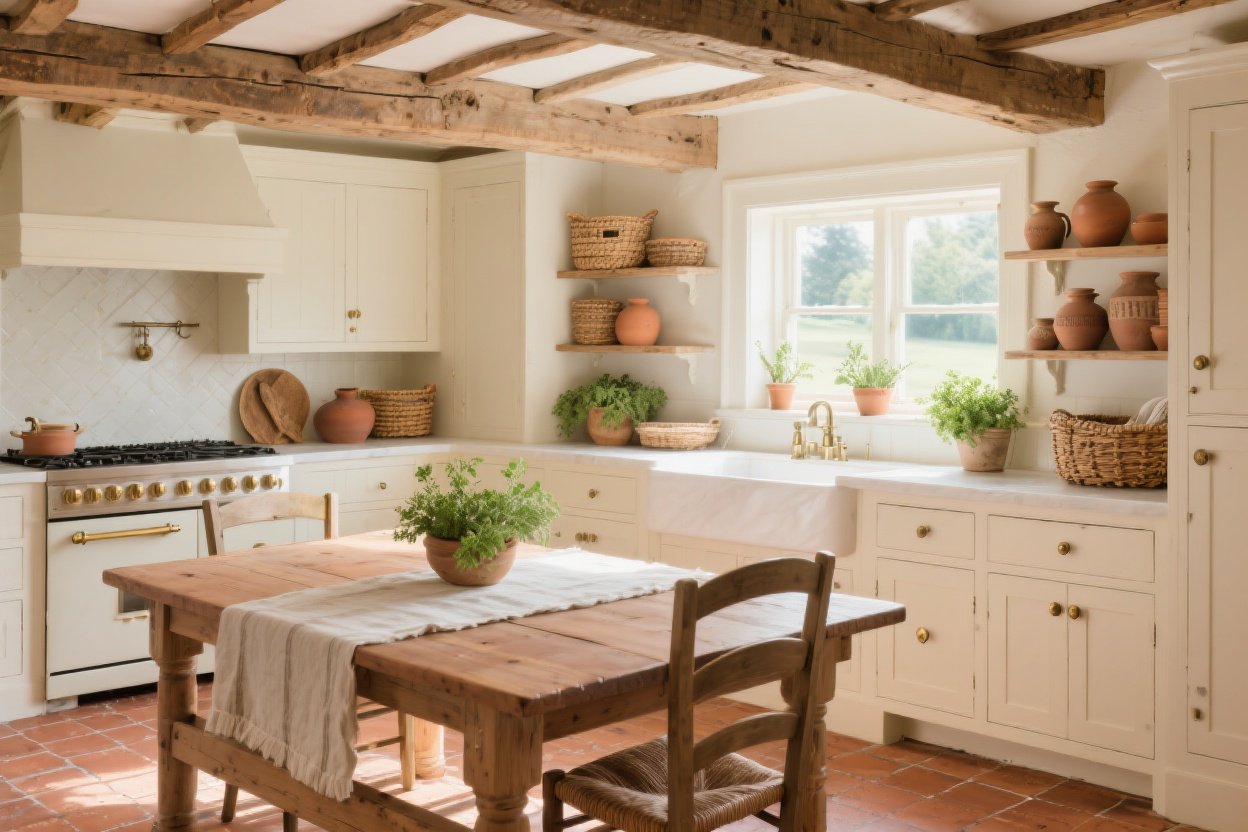
Start with the backbone: warm wood. Think oak, walnut, or reclaimed pine—tones that feel like a hug. Wood instantly adds history and texture, even in a modern space.
Where to use it
- Cabinet fronts: Flat-panel or Shaker in honey or medium walnut.
- Countertops: Butcher block on an island pairs beautifully with stone perimeter counters.
- Ceiling beams or shelves: A little architectural detail goes a long way.
Pro tip: Mix wood tones, but keep them in the same warm family. Too matchy can feel fake; too random can feel chaotic.
2. Clay, Sand, and Sage Color Stories
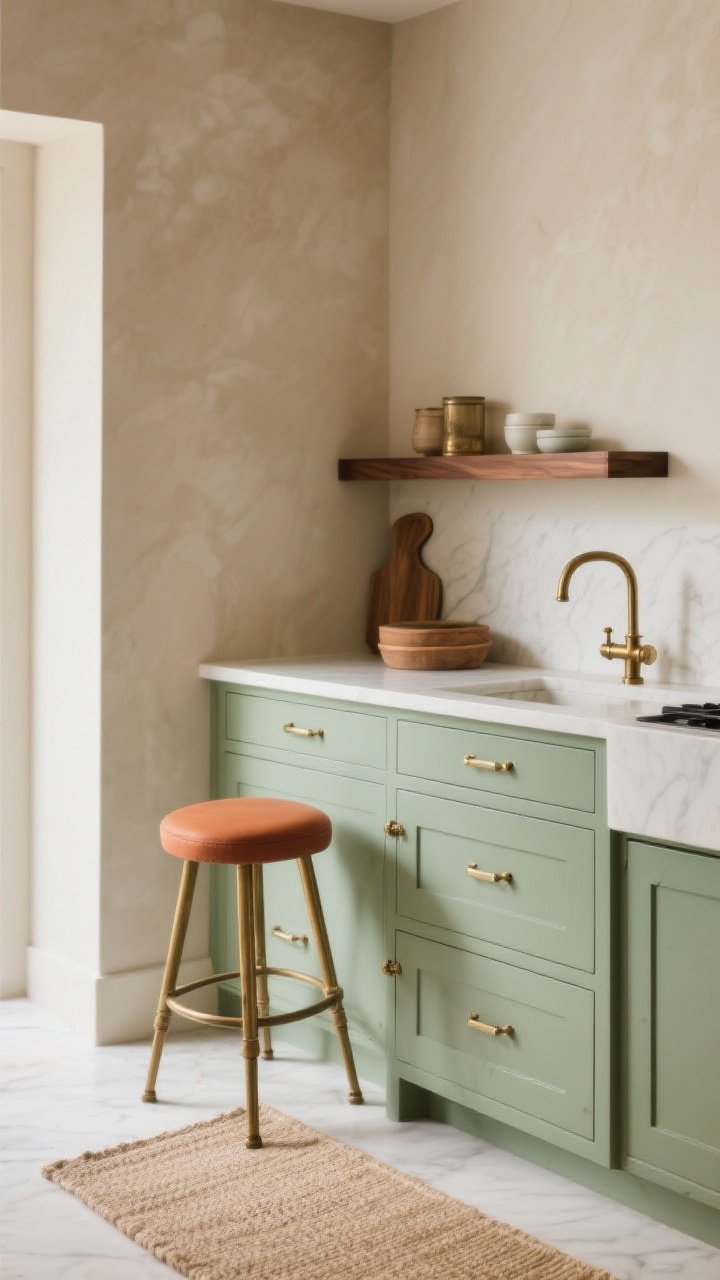
Earthy tones aren’t just “beige, but make it kitchen.” They’re layers of clay, sand, sage, olive, terracotta, and mushroom. When you combine them, the space instantly looks curated and calm.
Easy palette combos
- Clay + Cream + Walnut: Cozy and traditional.
- Sage + Mushroom + Brass: Fresh farmhouse chic.
- Terracotta + Sand + Black: Rustic with a modern edge.
FYI: Choose low-sheen paints in these hues—matte or eggshell reads more natural and hides scuffs better.
3. Stone That Tells A Story
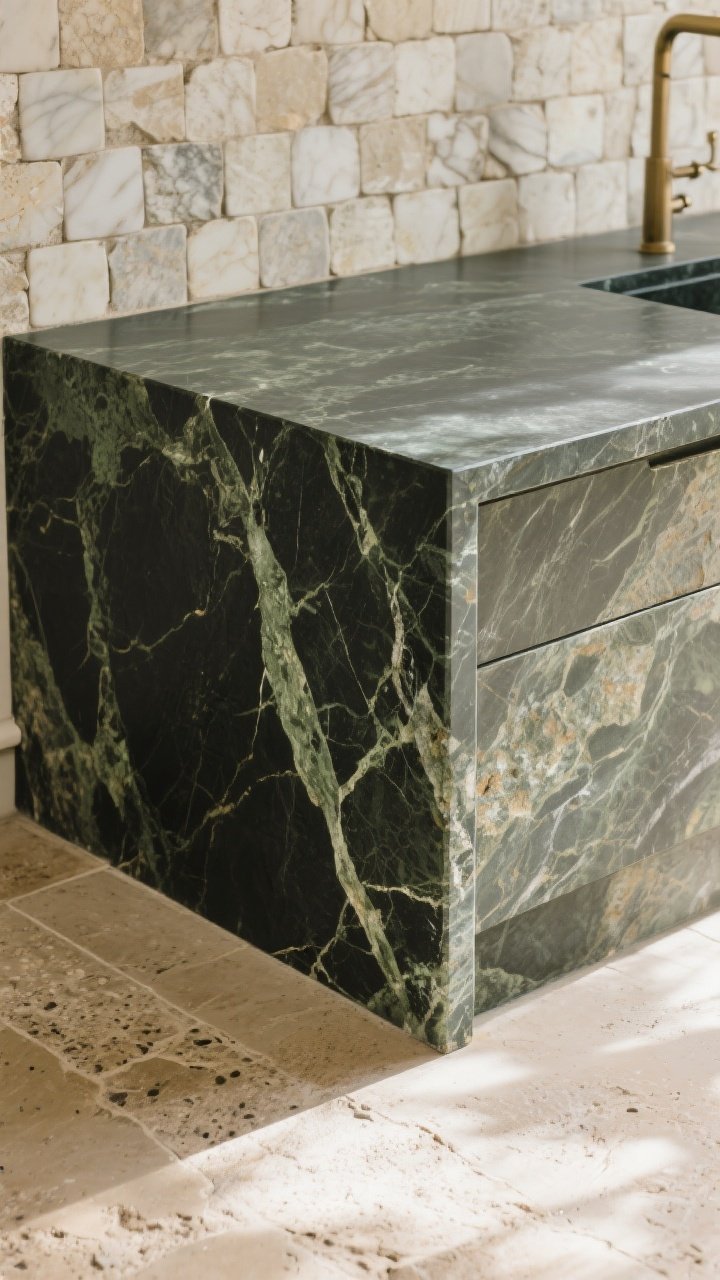
Nothing says “cottage” like a little imperfection. Enter natural stone: soapstone, limestone, and tumbled marble. They patina over time, which is basically them getting better with age, like your favorite jeans.
Smart surfaces
- Soapstone countertops: Velvety black-green with soft veining.
- Limestone floors: Sand-colored and forgiving with dirt (bless).
- Tumbled marble backsplash: Creamy, timeworn tiles that don’t glare.
Maintenance heads-up: Seal porous stones. Imperfect is cute; stained is not.
4. Textiles That Warm It Up
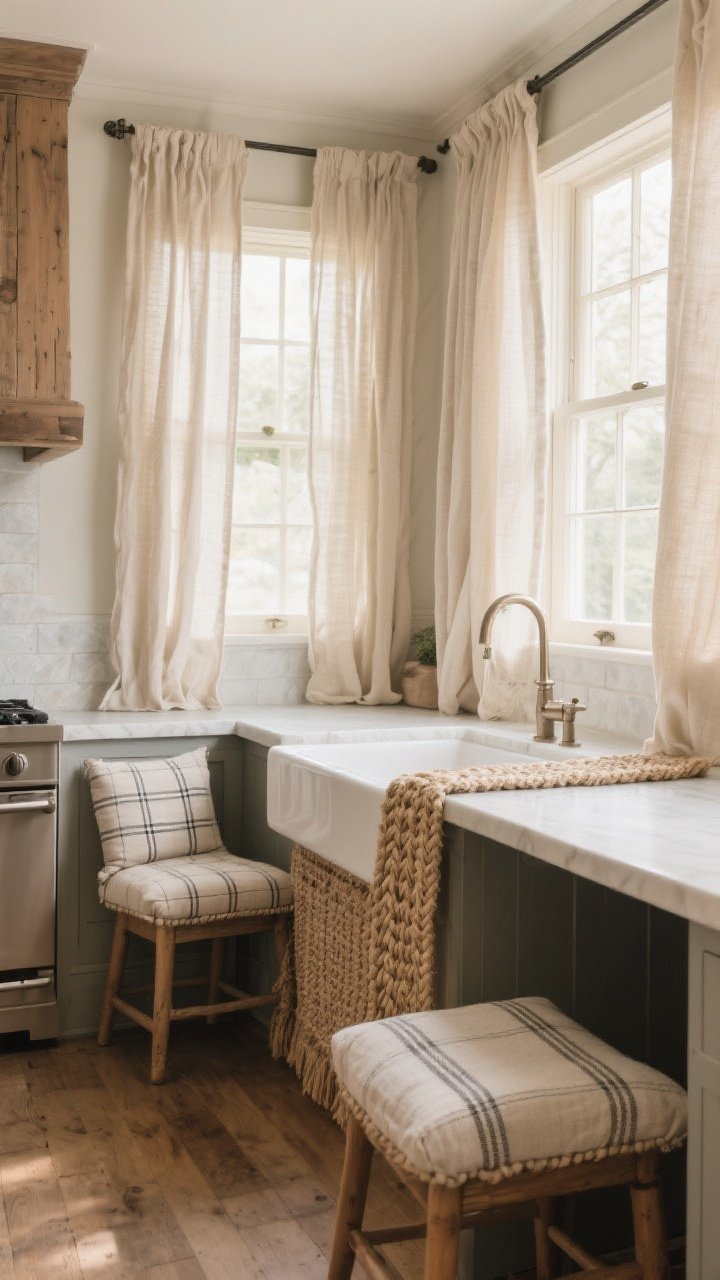
Hard surfaces need soft friends. Bring in linen, cotton, and wool to dial up the comfort. This is where the room starts to feel human.
Soft layer ideas
- Linen cafe curtains in oat or flax—filters light, adds romance.
- Rag rug or braided jute runner along the sink—earthy texture plus foot happiness.
- Seat pads in nubby neutrals or micro-checks for the breakfast nook.
Keep patterns subtle: think micro-stripes, small checks, or thin ticking. We’re going for “charming,” not “country theme park.”
5. Vintage Metals, Modern Function
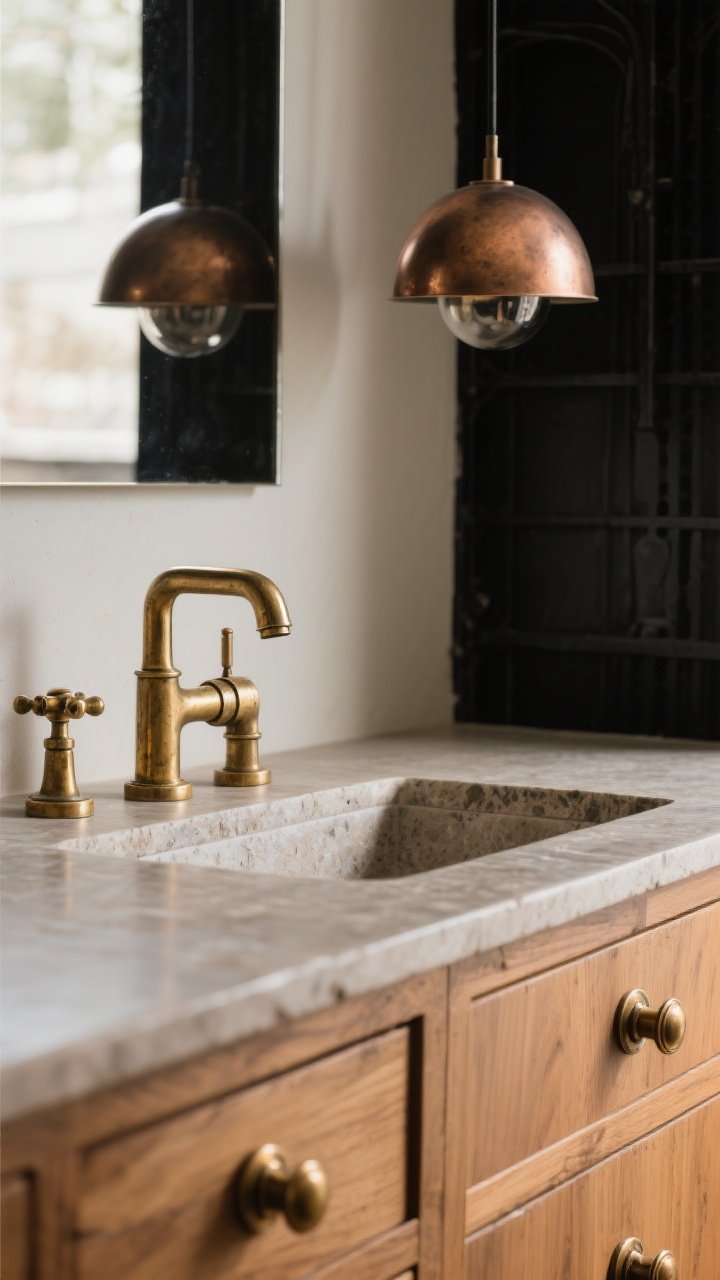
Hardware and lighting are the jewelry. Go for aged brass, oil-rubbed bronze, or blackened steel to ground those earthy hues. Shiny chrome? Save it for a different story.
How to mix
- Hardware: Aged brass knobs + cup pulls on drawers = instant classic.
- Lighting: Dome pendants in bronze over the island; a tiny schoolhouse sconce by the sink.
- Faucets: Bridge or gooseneck in unlacquered brass if you like a lived-in patina.
IMO, one or two metal finishes is perfect. Three can work—but only if you repeat them clearly across the room.
6. Display That Feels Natural, Not Cluttered
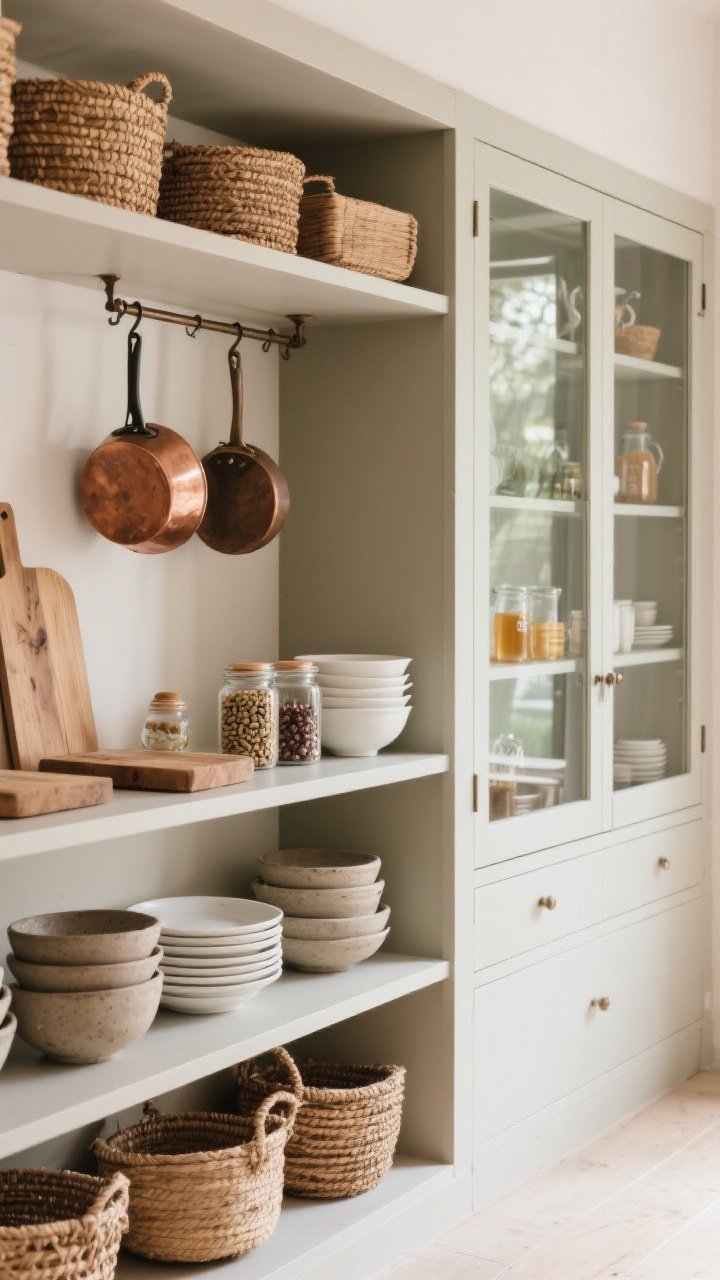
Open storage is peak cottage, but it can slide into chaos fast. Keep it intentional with edited displays and tactile materials.
Curate the view
- Open shelves: Stack stoneware bowls, plain white dishes, and a few wood boards. Done.
- Glass-front cabinets: Perfect for baskets, jars of beans, honey, and teas—the earthy palette practically builds itself.
- Pot racks: A short bar with two or three copper pieces—minimal but charming.
Keep “visual noise” low by sticking to a consistent color story on display. If it screams, hide it in a drawer.
7. Floors With Soul (And Durability)
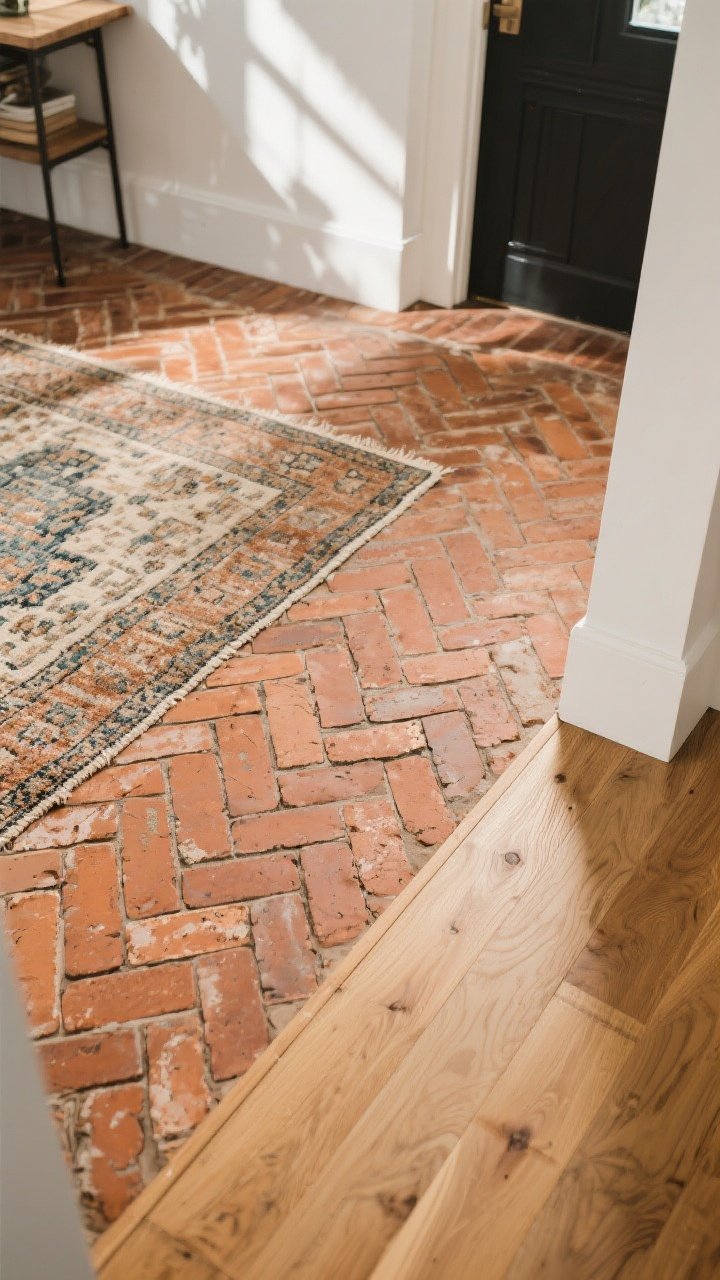
Floors are the silent hero. In an earthy cottage kitchen, they should be warm, textured, and unfussy. Translation: they handle muddy boots and still look good.
Top picks
- Wide-plank wood: Stained in warm brown or light oak. Slightly matte, please.
- Brick pavers: Terracotta or clay tones laid in herringbone. Rustic without trying too hard.
- Natural-look porcelain: If you need low maintenance, choose tiles that mimic limestone or slate.
Rugs in high-traffic zones are your friend—bonus points if they’re vintage or washable.
8. Nature, But Make It Practical
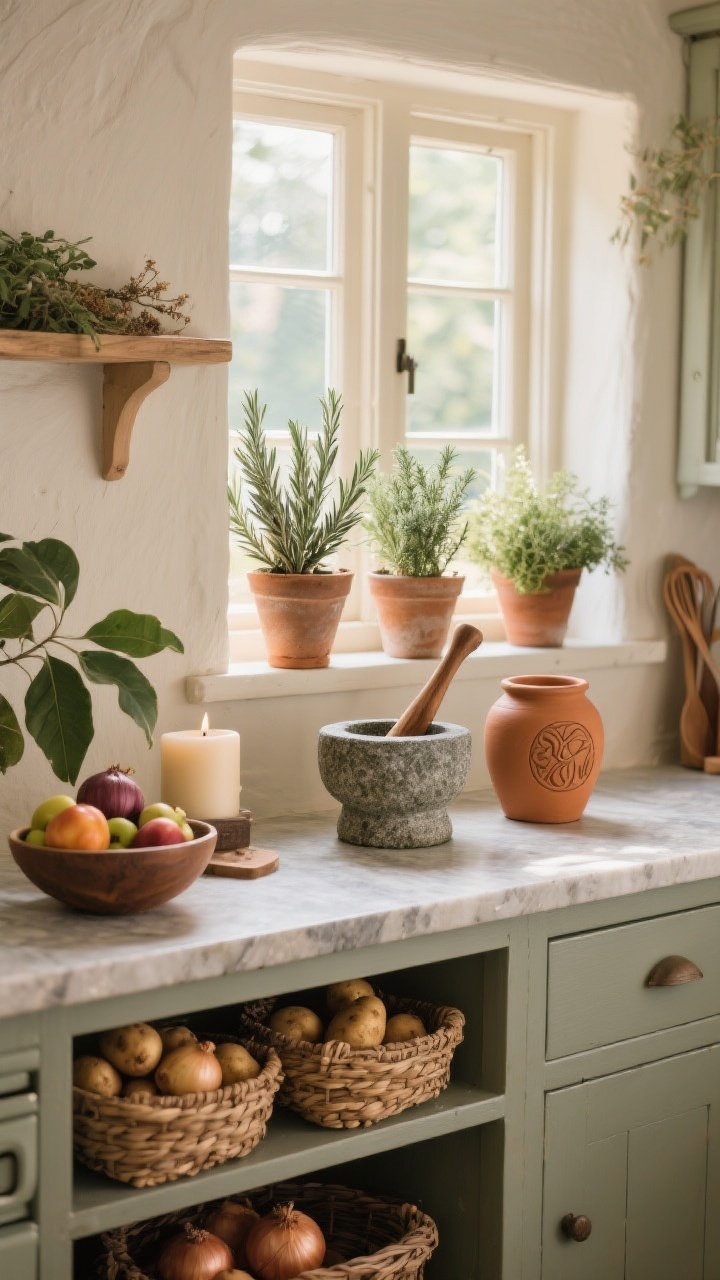
The last layer is life. Plants, herbs, and organic shapes tie all those earthy tones together and make the kitchen feel like it belongs to real people who chop things.
Bring the outdoors in
- Windowsill herbs: Sage, rosemary, or thyme in clay pots (on brand and handy).
- Woven baskets: Storage for onions, potatoes, or linen napkins—texture for days.
- Wood and stone accents: A chunky mortar and pestle, a carved spoon crock, a terracotta utensil jar.
Keep it simple: one leafy plant, one bowl of seasonal fruit, one candle. Edit like a stylist, cook like a farmer.
Mini Mood Board (So You Can Screenshot)
- Palette: Sage, clay, cream, walnut, blackened bronze
- Materials: Soapstone, oak, linen, tumbled marble, jute
- Details: Bridge faucet, cafe curtains, Shaker fronts, open shelves
Final thought: earthy cottage kitchens aren’t about perfection. They’re about warmth, patina, and pieces that feel like they have stories. Start with one element—maybe a sage paint for the lowers or a butcher-block island—and build slowly. Your kitchen will thank you, and your coffee will taste better. Probably.